
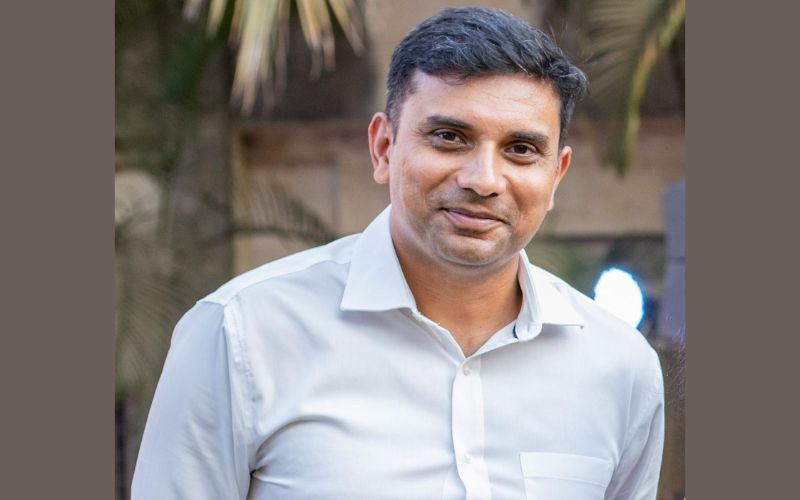
“As manufacturing becomes more advanced and industrial operations expand, the availability of supporting infrastructure and quality living environments will also play an important role in attracting skilled talent. Developers who align projects with employment growth, connectivity and social infrastructure will be better positioned to capture sustained demand.” Siraj, Director, Arete Group
Gujarat’s next major phase of economic and real estate growth will be driven not just by industrial investment, but by the wider ecosystems that develop around its manufacturing centres. With established strengths in chemicals, pharmaceuticals, engineering, textiles and manufacturing, alongside growing investments in semiconductors, the state is creating new employment centres that will reshape industrial activity, housing demand and urban development.
As manufacturing operations expand, their requirements extend beyond industrial facilities to include a skilled workforce, logistics networks, quality housing, healthcare, education, retail and social infrastructure. This presents an opportunity to look at industrial development as part of a larger economic ecosystem, where manufacturing growth and supporting urban infrastructure evolve together. For real estate developers, this means moving beyond standalone residential projects to creating integrated communities that align economic expansion with evolving workforce and lifestyle requirements.
Infrastructure Is Expanding Industrial and Real Estate Horizons
Infrastructure upgrades, including freight corridors, expressways and improved rail connectivity, are strengthening the movement of goods, people and investments across Gujarat. These developments are improving access to industrial destinations while creating new opportunities for manufacturing-led economic and real estate growth.
Sanand and Dholera exemplify this transformation, with semiconductor investments, including Micron’s assembly and test facility at Sanand and the proposed fabrication facility in Dholera, reinforcing Gujarat’s position in advanced manufacturing.
Meanwhile, Ahmedabad continues to drive urban and commercial real estate growth, supported by expanding infrastructure, employment opportunities and rising demand for quality housing. Bharuch is also emerging as an important industrial growth centre, driven by its established chemical and petrochemical industries, industrial expansion and connectivity to major economic corridors.
As industrial activity increases across these locations, demand is also growing for housing, rental accommodation, commercial spaces and neighbourhood retail. For developers, the opportunity lies in creating well-connected, amenity-rich communities that support the workforce and make Gujarat’s industrial hubs attractive places to live and work.
Vapi: An Established Industrial Hub Ready for Its Next Chapter
Vapi presents a distinct opportunity within Gujarat’s evolving industrial and real estate landscape. With more than 300 factories across chemicals, dyes, pigments and pharmaceutical-related industries, the city already has a strong manufacturing foundation and an established workforce. Unlike emerging industrial destinations, Vapi does not need to wait for an employment ecosystem to take shape; its opportunity lies in upgrading the urban environment around an existing economic engine.
Its transition to a municipal corporation in January 2025 marks an important step in its urban evolution. Combined with its strategic location along the Mumbai–Ahmedabad economic corridor and access to major road, rail and freight networks, this creates potential for Vapi to strengthen its position as a regional industrial and residential hub.
As manufacturing and industrial activity evolve, so do the expectations of employees, business owners and their families. Demand can increasingly extend beyond conventional housing to gated communities, mid-income and premium residences, organised retail, healthcare, education and hospitality. These developments can help attract and retain skilled professionals while improving the overall quality of urban living.
For real estate developers, Vapi’s advantage lies in the opportunity to build on an established industrial base and respond to a growing need for more organised, amenity-rich residential environments. The next phase is not simply about adding housing supply, but about creating a more complete urban ecosystem around the city’s existing industrial strengths.
The Workforce Multiplier Will Drive Real Estate Demand
Industrial investments generate economic activity far beyond factory boundaries. Suppliers, contractors, logistics operators, service providers and ancillary businesses contribute to a wider employment network, attracting households and increasing demand for housing and everyday services.
This workforce multiplier supports multiple real estate segments, from affordable and rental housing to premium residences, offices, warehouses, business hotels and neighbourhood retail. The scale and composition of demand will vary by location, depending on the industries involved, workforce profiles and pace of infrastructure development.
For emerging hubs such as Sanand and Dholera, the opportunity is to develop residential and commercial ecosystems alongside industrial expansion. In Vapi, the focus can be on modernising and diversifying an established market to meet the changing needs of its industrial community.
As manufacturing becomes more advanced and industrial operations expand, the availability of supporting infrastructure and quality living environments will also play an important role in attracting skilled talent. Developers who align projects with employment growth, connectivity and social infrastructure will be better positioned to capture sustained demand. Planning for these needs early can also help create more liveable communities and reduce the gap between industrial expansion and urban development.
From Manufacturing Growth to Lasting Urban Value
Gujarat’s next real estate cycle will depend on how effectively industrial and manufacturing growth translates into better places to live and work. Sanand and Dholera represent the potential of emerging manufacturing centres, while Vapi demonstrates how an established industrial hub can evolve into a more comprehensive residential and lifestyle destination.
Although these markets are at different stages of development, they share a common driver: manufacturing creates employment, infrastructure enables expansion, and quality real estate helps translate economic activity into sustainable urban growth.
The long-term opportunity for developers is therefore to look beyond individual projects and create connected communities that support businesses, attract talent and respond to changing aspirations. Gujarat’s next billion-dollar real estate opportunity lies in building not just around industry, but around the people, workforce and communities that its manufacturing ecosystem brings with it.
The author is Siraj, Director, Arete Group
