
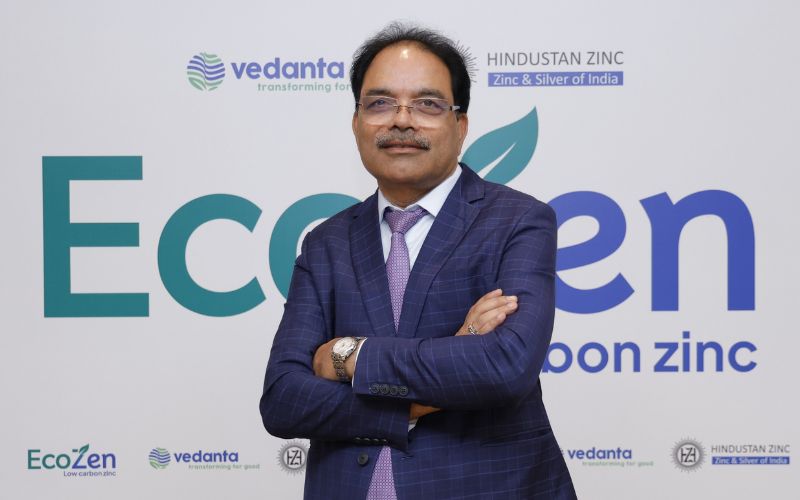
“When steel sheets are Galvanized, a metallurgical bond is created that provides reliable corrosion protection. By bonding with steel at a molecular level, Galvanization not only prevents rust but also boosts crash resistance, structural strength and long-term value.” Arun Misra, CEO and Whole Time Director, Hindustan Zinc Ltd
As India solidifies its place as the world’s fourth-largest automobile market, the need for vehicles built to withstand time and erratic climate conditions is at an all-time high. With over 384 million registered vehicles on Indian roads as of 2024, the automotive industry stands at a pivotal juncture, facing corrosion as a critical threat to vehicle safety, reliability and longevity. Zinc Galvanization emerges as a safe, smart and sustainable solution, combining long-term protection with cost efficiency. While consumers are increasingly investing in high-end vehicle features such as sunroofs, high-definition cameras and premium audio systems, equal attention must be paid to the structural durability of the car. A zinc-Galvanized body ensures that this significant consumer investment, often second only to their home, delivers returns over its expected 10 to 15-year lifespan on the road.
“In harsh environments, car models using Galvanized steel can stand the test of time, as zinc extends the lifespan, safety, durability and resale value of steel car bodies while reducing recurring repair and maintenance costs.”
Steel, comprising more than 70 percent of a vehicle, is highly susceptible to corrosion unless protected. Zinc is the single most effective material to shield steel from corrosion. The zinc coating acts as a barrier between the harsh environment and the steel body of the car, sacrificing itself in preference to the underlying steel and powerfully shielding it from rust. As a steel-intensive industry, Indian automakers are now prioritizing zinc coatings in the body-in-white (BIW), the skeleton of the car body, along with various components added to the BIW. When steel sheets are Galvanized, a metallurgical bond is created that provides reliable corrosion protection. By bonding with steel at a molecular level, Galvanization not only prevents rust but also boosts crash resistance, structural strength and long-term value. In harsh environments, car models using Galvanized steel can stand the test of time, as zinc extends the lifespan, safety, durability and resale value of steel car bodies while reducing recurring repair and maintenance costs.
Zinc Galvanization offers superior protection over painted, non-Galvanized steel, as painted surfaces tend to chip and peel, leaving the underlying steel vulnerable to corrosion. Zinc’s sacrificial protection ensures the steel remains protected even if the coating is scratched or damaged. From high humidity and coastal salt to prolonged monsoon exposure and outdoor parking, Indian vehicles constantly battle environmental conditions that accelerate corrosion. In fact, rust can appear on new car body within just two years of purchase, affecting not only safety and appearance but also maintenance costs. Instances of severe corrosion, including holes in car bodies, are not an uncommon sight.
While countries around the world have widely adopted zinc-coated steel in automotive manufacturing, India still lags behind. Approximately 80% of vehicles made for export from India are Galvanized, but only a small fraction, between 0 – 25%, of cars sold within the country receive the same treatment. This highlights the disparity in quality that domestic consumers have yet to fully benefit from. Indian consumers have long aspired to own vehicles of international quality and zinc Galvanization is the key to making that a reality. Research from IIT Bombay and the International Zinc Association shows that non-Galvanized vehicles can suffer up to 65% corrosion within five years, compared to just 7% in Galvanized counterparts.
“Beyond longevity, Galvanization offers tangible financial benefits. For manufacturers, longer-lasting vehicles reinforce brand reliability and reduce warranty claims. For consumers, it means fewer repairs, lower maintenance costs and stronger resale value.”
This discrepancy also explains why anti-perforation warranties, common in global markets, are rare in India. These warranties, which cover rust-related damage, are only viable when vehicles use Galvanized steel in body panels and structural components.
Beyond longevity, Galvanization offers tangible financial benefits. For manufacturers, longer-lasting vehicles reinforce brand reliability and reduce warranty claims. For consumers, it means fewer repairs, lower maintenance costs and stronger resale value. Crucially, the added cost of incorporating Galvanized steel is minuscule, less than 0.1% of a car’s selling price and is quickly offset by the savings it brings.
The irony is stark. Indian carmakers are already producing high-quality, corrosion-resistant cars but primarily for international markets. Domestic consumers are not benefiting from these top-quality, locally manufactured car models. The same level of protection is not consistently extended to buyers in India. To close this gap, automakers must prioritize Galvanization during the early stages of vehicle production, particularly for the body-in-white (BIW), the vehicle’s structural framework.
“India’s automotive industry stands at a crossroads. While policies like Bharat NCAP are nudging manufacturers toward safer, better-built vehicles, broader change must come from within the industry and its consumers.”
As global demand for zinc in the auto industry is projected to rise by 22% by 2030, India along with China, is expected to be a major growth engine, driven by rapid urbanization and the rising aspirations of the middle class. India’s automotive industry stands at a crossroads. While policies like Bharat NCAP are nudging manufacturers toward safer, better-built vehicles, broader change must come from within the industry and its consumers. Awareness of the benefits of zinc Galvanization, particularly in terms of durability, resale value and maintenance savings, could shift buyer preferences toward not just premium features but also higher-quality structural options.
Ultimately, Galvanization can only happen during the production stage. Therefore, the onus lies with manufacturers, but the push must come from consumers. Car buyers must ask a simple but powerful question: ‘Is this car Galvanized?’ Only then will manufacturers be compelled to align domestic offerings with international best practices. It is about building trust, enhancing safety and creating a sustainable automotive future where Indian roads are filled with vehicles built not just for today but for the long journey ahead.
The author is Arun Misra, CEO and Whole Time Director, Hindustan Zinc Ltd
