

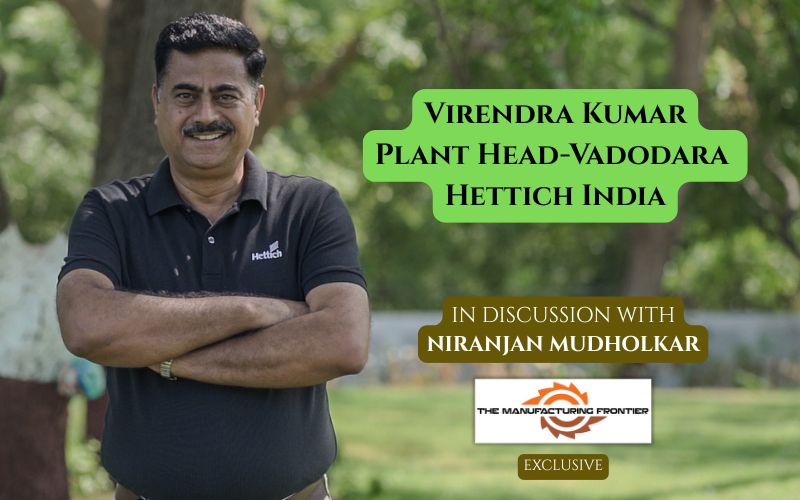
“What started as a cultural experiment now feels completely normal. Men and women work side by side, share meals, and exchange ideas with ease. That wasn’t the case a few years ago.” Virendra Kumar, Plant Head-Vadodara at Hettich India
Championing Women in Manufacturing
Q1. Hettich India has made remarkable progress in hiring women, particularly those with technical diplomas, and building women-run production lines. What challenges did you face initially, and what impact have you seen as the initiative has grown?
Virendra Kumar (VK): When we started exploring the idea of hiring women for shop-floor roles, there was a lot of hesitation—both within management and the wider team. Our plant is situated close to rural communities, and people had real concerns: safety during shifts, transportation access, even how the local community would perceive it. We weren’t fully ready back then, but I always believed it was necessary.
We took our first step in 2021, hiring a small group—just five or six married women from nearby villages. They had little prior exposure to structured factory work. Initially, communication was a challenge, especially with those who weren’t fluent in shop floor or industrial language. But these women showed extraordinary discipline, consistency, and humility. They even created informal support groups among themselves.
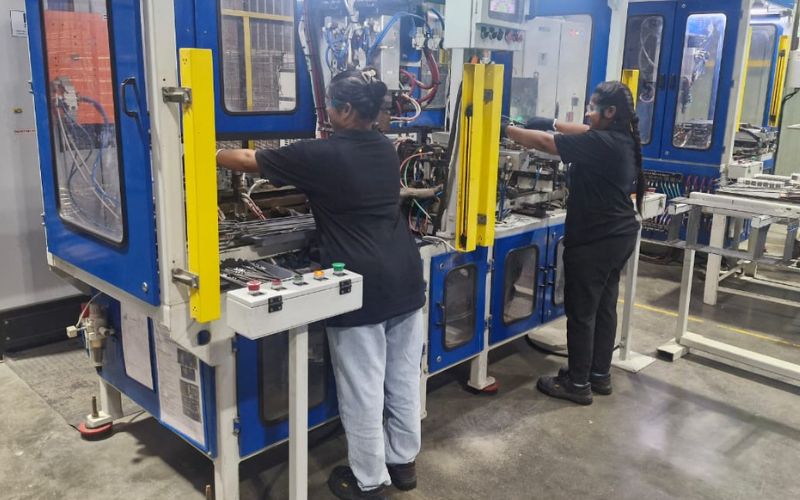
Encouraged by their performance, we began hiring technically trained women—diploma holders and ITI graduates. Today, we have over 30 women on the shop floor, operating automated assembly lines, handling inspections, maintaining documentation, supporting product designs, and even running parts of our wire fabrication unit, which was once entirely male-dominated.
One standout example is our oven-grid line supplying to an OEM in the U.S.—it’s operated entirely by women, producing over 30,000 components monthly. Their success helped break down internal biases. Soon, other departments—design, quality, and backend teams—began requesting women team members. We’ve seen a drop in absenteeism, improved communication, and a more respectful, balanced workplace overall.
Q2. You’ve also invested in making the workspace more inclusive. Did this involve substantial costs? What’s been the response from employees?
VK: It wasn’t about big capital—it was about intent. We made ergonomic changes to newly designed workstations, adjusted heights and loads, upgraded restrooms, created dedicated rest areas for women, and renovated our canteen to be more inclusive.
The biggest shift, though, was behavioral. We introduced a buddy mentoring system, pairing experienced team members with new hires—especially women—to support onboarding. We also welcomed feedback, often gathered indirectly through informal chats with our women security staff. What started as a cultural experiment now feels completely normal. Men and women work side by side, share meals, and exchange ideas with ease. That wasn’t the case a few years ago.
“In roles requiring precision—like component labelling, inspection, and delicate assembly—our women employees have shown consistently higher accuracy. Their hand-eye coordination and concentration levels are exceptional.”
Q3. Has this inclusive environment helped attract more women to the workforce?
VK: Definitely. Word-of-mouth has played a big role—our women employees are sharing their experiences with others in their communities, which builds trust. During interviews, candidates see women working comfortably on the floor and get a chance to speak with them, which puts them at ease.
We’re actively reaching out to local ITIs and women’s colleges, focusing on sourcing talent from nearby areas. This not only improves attendance and retention but also helps us manage without dedicated transport services. Our goal is to go from 2% women representation today to 5% this year, and 20% in the next two to three years. We’ve also adopted a clear internal policy: wherever possible, women get first preference in hiring across all departments and levels.
Q4. Are there productivity advantages tied to hiring more women, especially in technical roles?
VK: Absolutely. In roles requiring precision—like component labelling, inspection, and delicate assembly—our women employees have shown consistently higher accuracy. Their hand-eye coordination and concentration levels are exceptional.
Perhaps more importantly, they’re transparent. If they believe they’ve made a mistake, they speak up. Sometimes it turns out they were right all along—but the fact that they’re willing to check and clarify helps build a culture of accountability and early error resolution. That, in turn, improves overall product quality.
Q5. Many of your women employees are married—some likely have children. Have you introduced childcare facilities to support them?
VK: Yes. We’ve set up an on-site crèche, which will be fully operational soon. We believe it’s essential—not just to attract women, but to help them stay. It’s one more way we’re removing the barriers that often discourage women from pursuing long-term careers in manufacturing.
“For us, sustainability isn’t just about regulation—it’s a mindset.”
Driving Sustainability from the Ground Up
Q6. Hettich India has also been at the forefront of sustainable packaging, especially the use of recycled plastic. Can you walk us through how that transition happened?
VK: We began by addressing the basics: reducing plastic usage per product through optimized design and lighter materials. That step alone resulted in a 5–7% cut in overall plastic consumption, even as output increased.
Next, we introduced “green plastics,” using 20-25% recycled content—first for export packaging, and now gradually expanding into domestic products. Getting suppliers on board wasn’t easy; they were hesitant about changing formulations. We sourced high-quality recycled material from Thailand to demonstrate viability. Our global customers offered pricing incentives to encourage us, which made a big difference.
We now work with certified recyclers, have validated all performance parameters, and modified our packaging lines and equipment to handle the material. We’re also exploring paper-based packaging with embedded seeds—so discarded cartons can literally grow into plants. For us, sustainability isn’t just about regulation—it’s a mindset.
Q7. Beyond packaging, how is sustainability embedded in your production processes?
VK: It’s a big part of how we operate now. Around 85% of our electricity comes from green sources—solar panels on our roof. Wind energy and a hybrid energy mix are sourced through third-party contracts with vendors across Gujarat. And here’s the best part: we pay slightly less per unit than regular grid power.
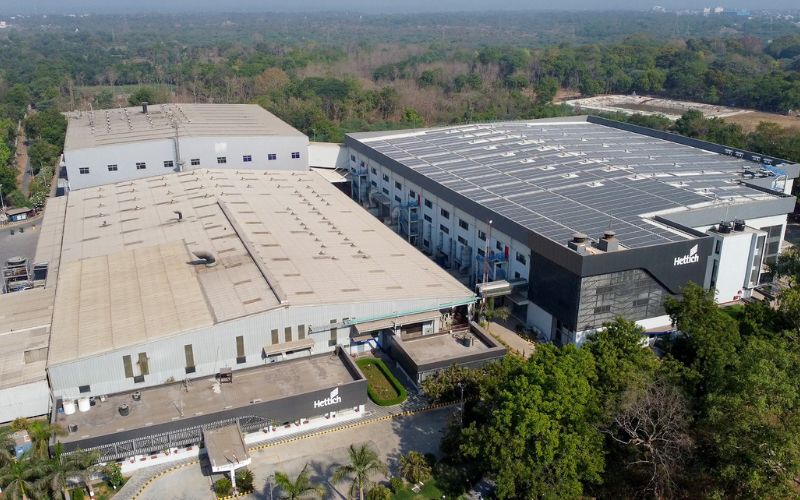
On the water side, we’ve built 10 rainwater harvesting wells across our 500,000-square-foot facility. They help us save about 25 million litres a year—that’s enough for 500 families. We’ve also reduced water use in our new plating processes by 33%, and all our domestic wastewater is treated and reused for flushing and gardening. That’s another 35,000 to 40,000 litres saved every day.
We also keep a close watch on the raw materials used in each department and each product. The goal is to use less while delivering more. And we’re exploring low-carbon steel options with suppliers like JSW to help shrink our overall environmental footprint right from the source.
“While most of this compost will be utilized in our biodiversity park, we intend to pack the leftovers in small pouches that our employees can take home for their gardens. It’s a small gesture, but it reflects our belief that everything we use should serve a purpose—even the leftovers.”
Q8. Is your plant zero-discharge or water-positive yet?
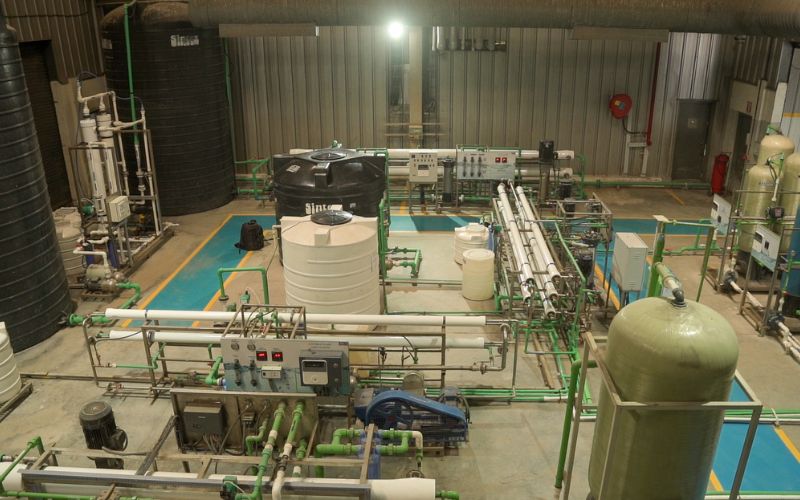
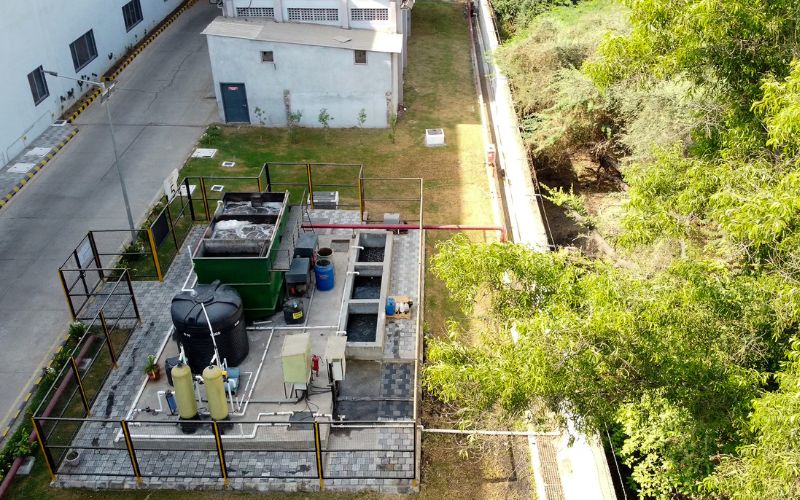
VK: We’re getting close. Right now, we still discharge a small amount of treated process water. But we’ve already installed reverse osmosis, multi-effect evaporators, and biological treatment systems, so most of the water—about 75%—is now recycled internally. Achieving Zero Liquid Discharge is within reach, and that’s our next milestone.
We’re also trialing a composting system that takes food waste from the canteen and turns it into organic fertilizer. While most of this compost will be utilized in our biodiversity park, we intend to pack the leftovers in small pouches that our employees can take home for their gardens. It’s a small gesture, but it reflects our belief that everything we use should serve a purpose—even the leftovers.
“It’s changed how people feel about the organization. Even our neighbours in the nearby villages have taken notice. They see that Hettich is investing in more than just factories—we’re investing in our shared environment.”
Reclaiming Space for Nature
Q9. Hettich India has preserved a significant area of plant real estate for a biodiversity park. That’s uncommon in manufacturing. What led to this decision, and what impact has it had?
VK: The decision came from something very real—something we felt on the ground. When we built a new production hall in 2023, we noticed a sudden drop in the number of peacocks around the campus. During the rainy season, they used to be everywhere, and suddenly, they weren’t. People—especially those who used to feed them during their lunch breaks—started talking about it. The sentiment was that we had disturbed something.
There were mixed reactions. Some thought it was a good thing—no more monkeys causing mischief. But others weren’t happy. It became a genuine discussion, even at a personal level. That’s when we took a call. We had this open space behind the plant—about one lakh square feet—and we decided to dedicate it to building a biodiversity zone. This wasn’t about branding or optics. We didn’t create it in front of the plant where visitors could see it—it’s tucked away behind the operations area. It’s a decision we took purely because it felt right.
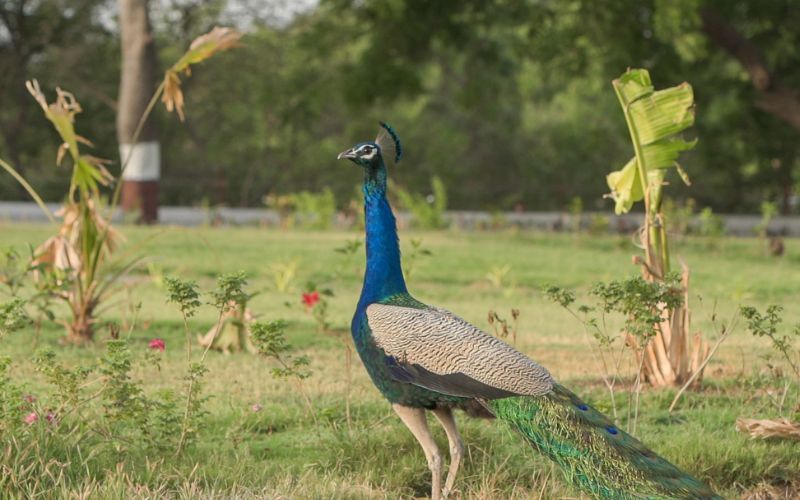
We discussed the idea with our Managing Director, Mr. André Eckholt, and he immediately supported it. It’s a large investment with no commercial return, and will require recurring upkeep, but we never looked at it that way. We involved landscaping experts and made sure the natural trees remained untouched. We added native plants, water bodies, and sheltered areas for animals to return without feeling exposed. Slowly, the peacocks and monkeys began coming back. During the monsoon months, you can even see them near the office area in the evenings.
Beyond wildlife, it’s had a strong emotional effect on our employees. It shows them that we’re here not just to make a product, but to be responsible with the land we work on. It’s changed how people feel about the organization. Even our neighbours in the nearby villages have taken notice. They see that Hettich is investing in more than just factories—we’re investing in our shared environment.
