

“Manufacturing environments often involve tight deadlines, repetitive tasks, long or rotating shifts and significant physical demands, all of which contribute to high levels of stress, burnout and fatigue.”
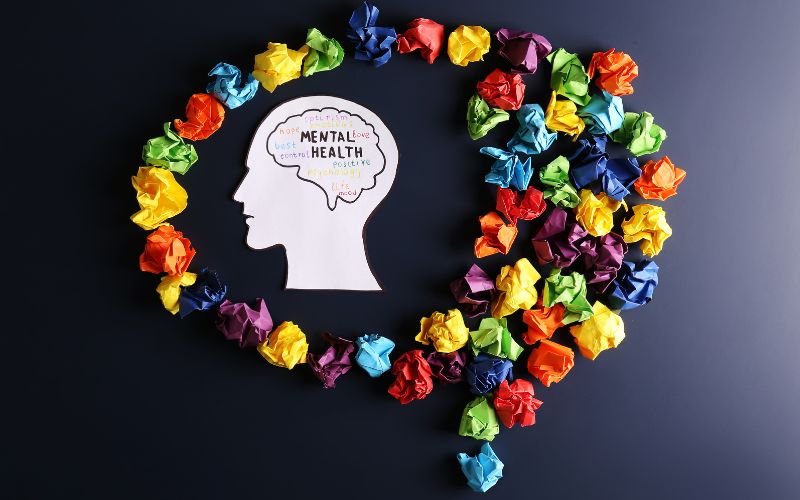
The date of 10th October marks World Mental Health Day, a crucial moment to pause and reflect on a part of our well-being often relegated to the shadows: our mental health. It is the foundation upon which we build our lives, influencing how we cope with stress, relate to others, make decisions, and reach our full potential. Yet, while we would not hesitate to address a physical ailment, there remains a pervasive silence and stigma surrounding mental and emotional struggles.
Mental health isn’t merely the absence of illness; it is a dynamic state of well-being. By prioritizing it, we invest not just in ourselves, but in our families, communities, and economies. Open conversation, accessible resources, and widespread empathy are essential tools for dissolving the lingering shame. We must normalize the act of asking for help, recognizing it as a sign of strength, not weakness. On this day, let us pledge to look past the superficial and prioritize the health of the mind, making well-being a global and personal reality.
The Criticality in the Manufacturing Sector
For professionals in the manufacturing industry, addressing mental health is not just an ethical concern—it’s a fundamental issue of safety, productivity, and retention. Manufacturing environments often involve tight deadlines, repetitive tasks, long or rotating shifts and significant physical demands, all of which contribute to high levels of stress, burnout and fatigue. This elevated stress increases the risk of human error and on-the-job accidents, which can have catastrophic consequences in an industry dealing with heavy machinery. Furthermore, the lack of open dialogue or adequate resources can lead to problems like isolation, decreased morale, and high employee turnover. Organizations must therefore implement targeted mental wellness programs and foster a culture where seeking mental support is as routine as wearing personal protective equipment (PPE). Investing in the mental health of the manufacturing and engineering workforce is a direct, measurable investment in a safer, more efficient and a more stable operation.
