

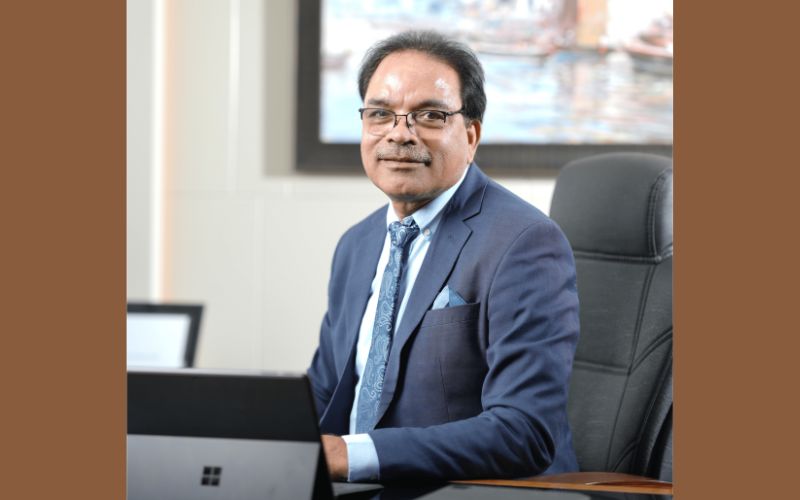
“As India enters a new era of development, zinc is set to play an important role in shaping India’s future. It will strengthen our infrastructure, energize our green energy ambitions, and deepen our push for self-reliance. The zinc ecosystem is primed and proven and the case for its use has never been stronger.” Arun Misra, CEO & Whole-Time Director, Hindustan Zinc Limited
As India advances towards its $30 trillion economic aspiration for 2047, the real measure of success will lie not only in how much we build, but in how long it endures. Ambitious infrastructure projects are just one side of the story — their true value emerges when they stand the test of time. Here, zinc becomes indispensable. By strengthening steel and protecting it from corrosion, zinc ensures that vital structures remain resilient, safeguarding the backbone of our growth for decades. More than a metal, it is an essential catalyst for sustainable, future-ready development.
Zinc is the fourth most used metal globally and with good reason as it protects, it endures, and it performs. In India, infrastructure faces unique challenges — from humidity and salty coastal air to pollution and varied weather conditions. This makes zinc vital for protecting our steel structures.
Looking at the past twenty years, India has quietly developed a robust zinc ecosystem that supports key industries like infrastructure, automotive, power transmission, renewables, and advanced energy storage. From mining to refining – the country has steadily strengthened its capabilities, reducing reliance on imports and moving steadily toward greater self-reliance. Refined metal production has grown fourfold since 2002, rising from 235 KT in 2002 to 1,052 KT in FY2025. Today, we supply nearly 77% of India’s primary zinc demand with top-quality products that support critical industries. As India’s sole silver producer and among the top five silver-producing companies globally, we have also grown our silver production from 47 tonnes in 2002 to nearly 700 tonnes in the last financial year. This remarkable growth is fuelled by cutting-edge technologies that enhance metal recovery and drive sustained, long-term expansion.
“To keep up with increasing needs in areas like highways, bridges, renewable energy, and electric vehicles, the industry is focused on doubling India’s zinc production capacity by 2030.”
Looking at the Future: Doubling Zinc Production by 2030
India’s infrastructure and manufacturing sectors are growing rapidly with driving a strong demand for materials that are both durable and high performing. Zinc, known for its ability to significantly extend the life of steel, is now becoming a key part of this growth story. To keep up with increasing needs in areas like highways, bridges, renewable energy, and electric vehicles, the industry is focused on doubling India’s zinc production capacity by 2030.
This scale-up is more than just a supply-side response. Corrosion is already costing India close to 5% of its GDP annually, driven by a mix of high humidity, saline coastal air, and pollution. That’s significantly higher than countries like Japan and Australia, where widespread use of zinc-coated steel has brought corrosion-related losses down to below 1.5%. For a country building infrastructure at breakneck speed, the case for galvanization is not optional — it’s essential.
Investments in this segment are already in progress which includes advanced smelting facilities, increased refining capacity, and improved logistics support. Beyond cutting down on imports, this growth will create a ripple effect throughout the economy.
Another important aspect via this will be generating significant employment, drawing in new investments, and strengthening India’s domestic supply chain. Simply explaining, zinc will fuel not only our infrastructure but also India’s path to greater self-reliance.
“Coating steel with zinc creates a durable, corrosion-resistant shield that can extend a structure’s life for fifty years or more.”
Galvanized Steel: India’s shield against Corrosion
When it comes to safeguarding infrastructure, galvanized steel remains one of the most trusted and proven solutions. Coating steel with zinc creates a durable, corrosion-resistant shield that can extend a structure’s life for fifty years or more. Zinc’s unique sacrificial property means that even if the surface is scratched or exposed, it continues to protect the steel underneath — ensuring long-term reliability, lower maintenance, and uninterrupted service across highways, railways, transmission lines, and public utilities. It’s not just smart engineering; it’s a way to future-proof India’s growth.
From galvanizing steel for bridges and railways to powering solar panels and enabling electric mobility, Hindustan Zinc’s metals are deeply woven into the nation’s development journey. By combining durability with innovation, we are helping build infrastructure that stands strong today and well into the future.
“But zinc’s potential doesn’t end there. New age battery technologies like zinc-ion and zinc-air batteries are emerging as promising alternatives to lithium-ion, offering safer, more scalable, and environmentally friendly options for grid storage and electric vehicles.”
Zinc: Powering India’s Clean Energy Future
Zinc’s importance goes well beyond just protecting against corrosion as it has become a key player in India’s renewable energy sector. Solar panels and wind turbines often face some of the toughest conditions, and zinc coatings play a crucial role in enhancing their durability and efficiency. Given this perspective, a single 10 MW offshore wind turbine can require up to 4 tonnes of zinc, while a 100 MW solar plant may need nearly 240 tonnes.
But zinc’s potential doesn’t end there. New age battery technologies like zinc-ion and zinc-air batteries are emerging as promising alternatives to lithium-ion, offering safer, more scalable, and environmentally friendly options for grid storage and electric vehicles. This is especially important as India seeks to reduce its dependence on imported lithium and move toward a cleaner, more resilient energy future.
“All this isn’t just about meeting targets. It’s about creating infrastructure that lasts. For investors, it supports Environment, Sustainability and Governance (ESG) goals. For engineers, it means fewer risks and for the country, it ensures lasting value from every project.”
Policy backing for Zinc – Led Infrastructure
Government initiatives like PM Gati Shakti and the National Infrastructure Pipeline are focusing on faster execution, long-term durability, and sustainability. Promoting the usage of galvanized steel and locally sourced materials fits very well with the vision of Aatmanirbhar Bharat — building strength from within.
All this isn’t just about meeting targets. It’s about creating infrastructure that lasts. For investors, it supports Environment, Sustainability and Governance (ESG) goals. For engineers, it means fewer risks and for the country, it ensures lasting value from every project.
As India enters a new era of development, zinc is set to play an important role in shaping India’s future. It will strengthen our infrastructure, energize our green energy ambitions, and deepen our push for self-reliance. The zinc ecosystem is primed and proven and the case for its use has never been stronger.
The moment to act is now.
The author is Arun Misra, CEO & Whole-Time Director, Hindustan Zinc Limited
