

“For far too long, the default IT refresh cycle has involved replacing aging PCs with new ones, relentlessly feeding a growing tide of electronic waste (e-waste). The environmental footprint of producing new hardware is immense – from resource-intensive mining and manufacturing to global transportation.” Vijender Yadav, Co-Founder and CEO, Accops
The heart of modern manufacturing beats with innovation, a rhythm that must now extend beyond the production line to encompass our entire IT infrastructure. As India’s factories expand, embedding sustainable practices is not just an environmental ideal; it’s a tangible competitive edge, essential for long-term resilience and growth. A key to unlocking this lies in a simple, yet powerful strategy: intelligently repurposing existing IT assets.
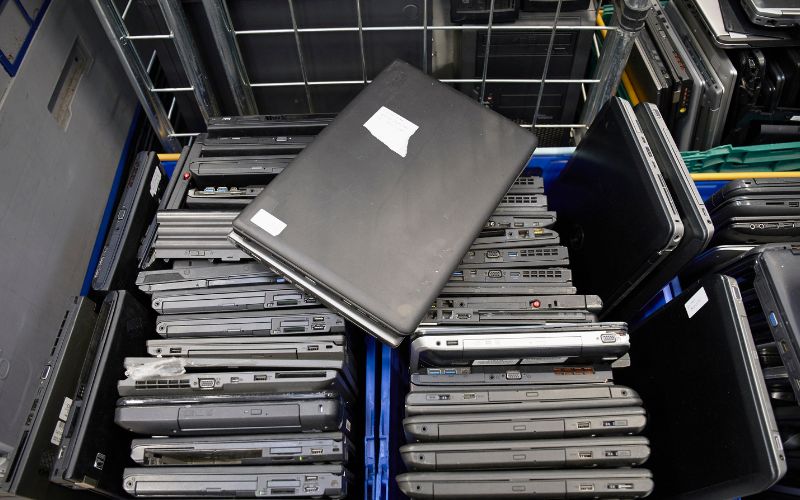
For far too long, the default IT refresh cycle has involved replacing aging PCs with new ones, relentlessly feeding a growing tide of electronic waste (e-waste). The environmental footprint of producing new hardware is immense – from resource-intensive mining and manufacturing to global transportation. This linear “take-make-dispose” model is simply unsustainable for any industrial sector, particularly for a rapidly developing manufacturing hub like India.
The Overlooked Costs of Perpetual Replacement
Consider the lifecycle of a typical PC. A significant portion of its total environmental impact, often as high as 80%, is incurred during its manufacturing and shipping, not its operational use. Every new device contributes to carbon emissions, water consumption, and the depletion of finite resources. Furthermore, the improper disposal of e-waste in unorganised sectors can leach hazardous chemicals into our soil and water, posing grave threats. This hidden environmental cost, coupled with the direct financial burden of continuous hardware procurement, demands a more thoughtful approach.
“This isn’t merely about cutting costs; it’s a fundamental shift towards a more sustainable and resilient IT model.”
Repurposing with Virtual Desktops: A Strategic Enabler for Sustainable IT
This is where “Greener IT” truly takes hold, particularly when integrated with Virtual Desktop Infrastructure (VDI). By strategically repurposing older PCs into thin clients, manufacturers can unlock a powerful trifecta: robust environmental stewardship, significant cost savings, and enhanced operational efficiency.
Repurposing transforms a full PC into a lean, secure endpoint. Instead of running applications and storing data locally, this repurposed device connects to a centralized VDI environment, accessing virtual desktops and applications. This isn’t merely about cutting costs; it’s a fundamental shift towards a more sustainable and resilient IT model.
Driving Sustainability, Efficiency, and Modernization:
Extended Hardware Lifespan: The most direct environmental benefit is extending the life of existing equipment. With VDI, the heavy lifting of processing and OS management shifts to the data centre. This means older PCs can continue to function as secure access points, drastically reducing e-waste and avoiding premature hardware replacement.
- Reduced Energy Consumption: Thin clients are inherently more energy-efficient. By offloading processing power and storage to data centres (which can be optimized for energy efficiency), the repurposed endpoints consume significantly less power. This directly translates into lower electricity bills and a reduced carbon footprint for the factory.
- Simplified Management & Enhanced Security: Centralized VDI simplifies IT management across the factory floor. Updates, patches, and security configurations for all virtual desktops are applied centrally, reducing manual effort and potential vulnerabilities. Critically, VDI allows IT to isolate sensitive factory applications and data within the secure data centre, ensuring data integrity and shrinking the attack surface. Centralizing data and applications within the VDI ensure sensitive information never resides on individual endpoint devices, vastly improving data security.
- Navigating Windows 10 EOL and Future OS Transitions: Repurposing maximizes the utility of existing IT investments and provides crucial adaptability for evolving software landscapes. This strategy offers a prime solution for challenges like the upcoming End-of-Life for Windows 10. Instead of a costly, large-scale hardware refresh, older Windows 10 PCs can seamlessly become VDI endpoints. They connect to virtual desktops running a supported OS like Windows 11 in the data centre, ensuring continued security, compliance, and functionality without buying new machines. This also streamlines future OS upgrades and application deployments, enhancing the factory’s long-term IT agility. Ultimately, devices otherwise destined for disposal gain renewed purpose, contributing to a circular economy.
A Practical Pathway for Indian Manufacturing
For Indian factories, many of which operate with diverse generations of IT hardware, this approach offers a compelling and practical path forward. Instead of large capital outlays for new machines, they can incrementally transition to a more efficient, sustainable, and secure model. Shop floor workstations, quality control stations, inventory management terminals, and even some supervisory roles can operate effectively on repurposed devices, securely connected to central VDI systems. Solutions available in the market facilitate this seamless conversion of older PCs into robust thin clients, providing the secure and managed access essential for modern manufacturing. These tools empower factories to unlock efficiency and sustainability without compromising on performance or security.
“The future of manufacturing in India isn’t just about increased output; it’s about intelligent, responsible growth.”
Leading the Charge Towards a Greener, Agile Future
The future of manufacturing in India isn’t just about increased output; it’s about intelligent, responsible growth. Embracing Greener IT through the strategic repurposing of old PCs and thin clients, augmented by virtual desktop infrastructure, is a tangible step towards this future. It demonstrates a commitment to environmental responsibility, delivers financial advantage by extending hardware life, and cultivates a more agile, resilient operational framework.
This isn’t merely a technological adjustment; it’s a strategic decision that positions Indian manufacturers as leaders in the global movement towards a truly sustainable and circular economy. The time to transform our existing hardware into green, secure, and future-ready assets is now.
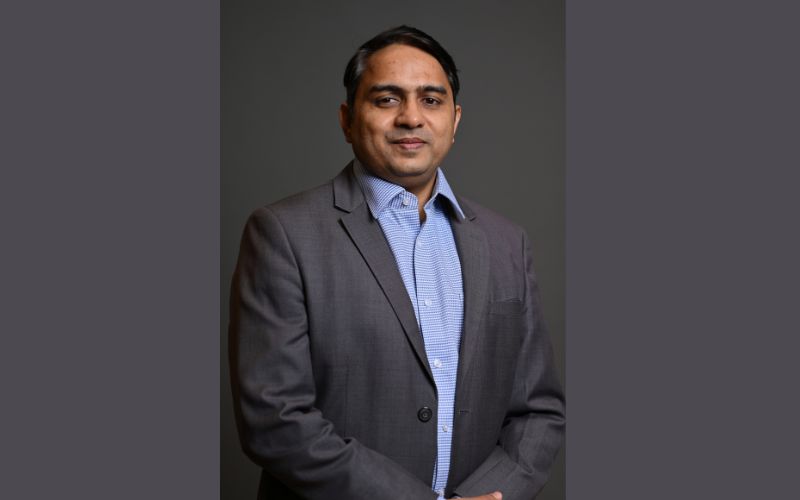
The author is Vijender Yadav, Co-Founder and CEO, Accops
