

“As demand for steel increases across housing, infrastructure, and automobile sectors, smart logistics will become not just a support function but a strategic lever. The startups driving this change are not replacing traditional logistics—they are making it smarter, faster, and more responsive.” Vedant Goel, Director, Enlight Metals Pvt Ltd
India’s steel industry—one of the largest in the world—is undergoing a transformation beyond production capacities and green manufacturing goals. A silent revolution is taking place in the way steel is transported and distributed, with a new generation of logistics startups bringing in digital efficiencies to an otherwise legacy-driven supply chain.
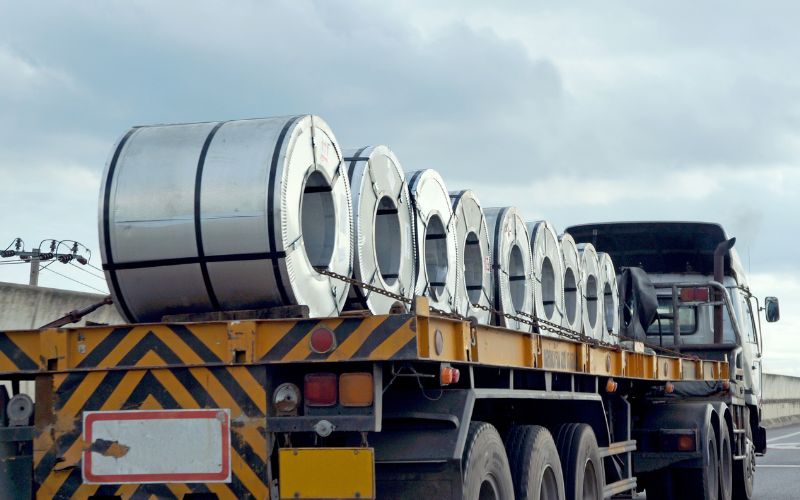
Traditionally, moving steel has been a complex task. The material is heavy, bulky, and often requires specialized handling. With transportation costs contributing up to 14% of the total cost of production, inefficiencies in logistics have long plagued manufacturers and distributors alike. That is now beginning to change.
Several tech-led startups are developing digital freight platforms designed specifically for heavy industries. These solutions use AI-powered load planning, real-time vehicle tracking, and automated delivery confirmations to streamline movement from steel plants to end-use locations such as infrastructure sites, warehouses, and fabrication yards.
Distributors in Tier-2 and Tier-3 cities are increasingly using mobile-based platforms to monitor shipments, access freight options instantly, and automate their inventory updates—cutting down manual processes and delays significantly.
“Logistics startups are offering solutions through route intelligence, dynamic fleet allocation, and ground-level coordination. With real-time updates, delivery windows are better managed, losses due to rejections or site downtime are reduced, and truck utilization improves.”
What once required multiple phone calls and layers of coordination is now being handled via apps and dashboards, with visibility over fleet movements, estimated delivery timelines, and even route-specific insights. One of the longstanding challenges in steel logistics has been last-mile delivery. Reaching construction zones, rural industrial hubs, or infrastructure projects often involves navigating poor road access, lack of unloading infrastructure, and scheduling delays. Logistics startups are offering solutions through route intelligence, dynamic fleet allocation, and ground-level coordination. With real-time updates, delivery windows are better managed, losses due to rejections or site downtime are reduced, and truck utilization improves. The impact of these interventions is already visible. Logistics costs are coming down, turnaround times have improved, and payment cycles are being compressed thanks to digital documentation. Even smaller players, often left out of traditional networks, are now part of more organized and scalable freight ecosystems. In many cases, startups are also offering predictive analytics—helping stakeholders plan better around demand surges, weather-related disruptions, or market movements.
“For a sector that moves millions of tonnes across the country every year, even marginal gains in logistics efficiency can unlock significant cost and productivity advantages.”
The broader policy environment is also enabling this shift. With infrastructure growth tied to national targets and the rollout of the National Logistics Policy, there’s growing pressure to reduce logistics costs and increase transparency. Startups are seizing this opportunity to work with manufacturers and transporters to build modular, tech-first solutions.
The steel industry, long viewed as a production-heavy and logistics-challenged sector, is slowly moving toward a more responsive and digitally enabled model. For a sector that moves millions of tonnes across the country every year, even marginal gains in logistics efficiency can unlock significant cost and productivity advantages.
As demand for steel increases across housing, infrastructure, and automobile sectors, smart logistics will become not just a support function but a strategic lever. The startups driving this change are not replacing traditional logistics—they are making it smarter, faster, and more responsive.
The transformation may not be flashy, but it is foundational. In the years to come, the ability to move steel efficiently could well determine who leads and who lags in India’s growing steel economy.
The author is Vedant Goel, Director, Enlight Metals Pvt Ltd
