

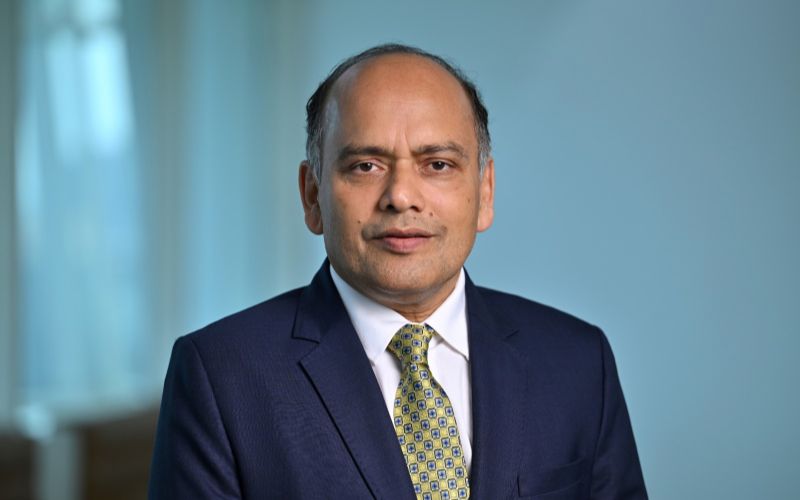
“A policy framework that encourages cleaner, more efficient and increasingly electrified mobility is an important step towards that zero-carbon ambition. JSW Motors and the auto industry look forward to working closely with the government to make this transition faster, deeper and more sustainable.” Ranjan Nayak, CEO of JSW Motors
The much-awaited Corporate Average Fuel Efficiency (CAFÉ) norms introduce a progressive and forward-looking framework that recognizes India’s mobility transition towards greener and cleaner technologies, something required to reduce the dependence on imported fossil fuels that place a significant burden on the country’s foreign exchange resources.
The CAFÉ 3 norms, which have been notified by the government, recognize that the road to electrification will be a multi-powertrain journey, with batteries acting as the bedrock of this green transition.
The government’s decision to support a range of clean and increasingly efficient technologies – including battery electric vehicles (BEVs), range-extended electric vehicles (REEVs) and plug-in hybrid electric vehicles (PHEVs) – will help accelerate fuel efficiency, drive technology adoption and increasingly de-carbonize passenger vehicles in the country.
JSW Motors particularly welcomes the higher volume derogation factor of 3.0 for BEVs and REEVs, followed by 2.5 for PHEVs/eligible strong hybrids. This appropriately recognizes the greater contribution of battery-led technologies while allowing other electrified powertrains to play a role in the transition.
Equally encouraging is the provision for pooling and trading of compliance credits. Creating a mechanism through which manufacturers can exchange credits provides flexibility in meeting the CAFE targets, while creating an economic incentive for companies that invest in cleaner and more efficient green technologies.
India has set itself an ambitious vision of achieving net-zero emissions by 2070. As Prime Minister Narendra Modi has articulated, this is a long-term national journey that will require sustained technological innovation and collective action.
A policy framework that encourages cleaner, more efficient and increasingly electrified mobility is an important step towards that zero-carbon ambition. JSW Motors and the auto industry look forward to working closely with the government to make this transition faster, deeper and more sustainable.
The author is Ranjan Nayak, CEO of JSW Motors
