
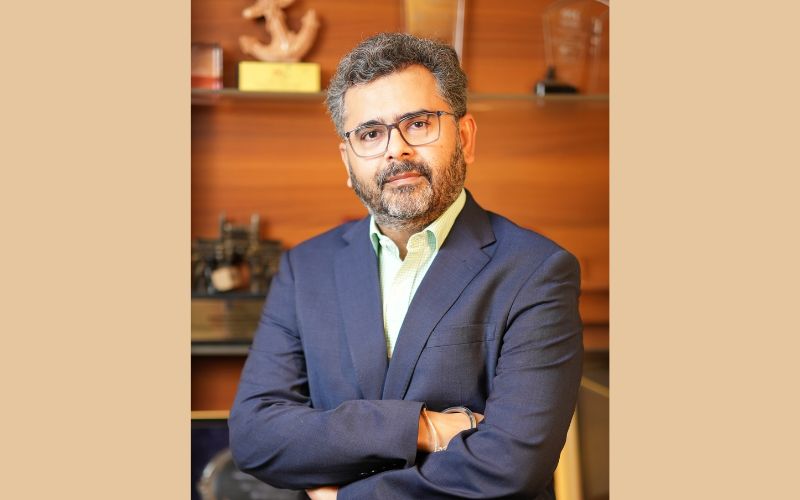
“India’s FTAs have created an opportunity that many countries would aspire to have. The next phase of growth will depend on how effectively businesses convert these agreements into consistent trade. Products may be manufactured in India, but India’s global reputation will increasingly be shaped by how reliably they reach the world.” Brijesh Parekh, Director, Parekh Global
India has signed a series of Free Trade Agreements (FTAs) with key global markets over the past few years, creating fresh opportunities for exporters and manufacturers. These agreements reduce trade barriers, improve market access and strengthen India’s position in global commerce. Yet, lower tariffs alone do not guarantee business growth. The real test begins after an order is confirmed—how efficiently the product moves from the factory floor to the customer’s doorstep.
India’s merchandise exports crossed US$ 437 billion in FY2024-25, reflecting the country’s growing integration with global supply chains. At the same time, the government has set an ambitious target of US$ 2 trillion in exports by 2030. Reaching that milestone will depend as much on logistics efficiency as it does on trade policy.
Trade Agreements Need Strong Logistics
An FTA may make Indian products more competitive, but delays at ports, documentation bottlenecks or unreliable transportation can quickly erode that advantage. Global buyers increasingly expect predictable delivery schedules, complete shipment visibility and seamless customs clearance. Price remains important, but reliability often decides who wins repeat business.
This is where logistics in India is undergoing a significant transformation. Investments in dedicated freight corridors, multimodal connectivity, digital customs systems and modern port infrastructure are helping reduce transit time and improve supply chain efficiency. These developments are making Indian businesses better equipped to compete in international markets.
For exporters, success today depends on planning the entire supply chain rather than focusing only on production. Inventory management, warehousing, documentation, freight planning and last-mile coordination have become equally important parts of international trade.
The Value of the Right Logistics Partner
As export volumes grow, businesses need partners who understand changing trade regulations, evolving customs requirements and shifting global shipping routes. Experienced freight forwarders in India play a critical role in helping businesses navigate these complexities while ensuring shipments move efficiently across borders.
The conversation has also moved beyond transportation. Companies are increasingly looking for integrated solutions that combine warehousing, customs support, freight management and technology under one roof. This is where an experienced logistics company in India creates long-term value by improving visibility, reducing delays and helping businesses respond quickly to market demands.
India’s FTAs have created an opportunity that many countries would aspire to have. The next phase of growth will depend on how effectively businesses convert these agreements into consistent trade. Products may be manufactured in India, but India’s global reputation will increasingly be shaped by how reliably they reach the world. Efficient logistics is no longer a support function it has become a strategic advantage that will determine how far India’s export ambitions can go.
The author is Brijesh Parekh, Director, Parekh Global
