

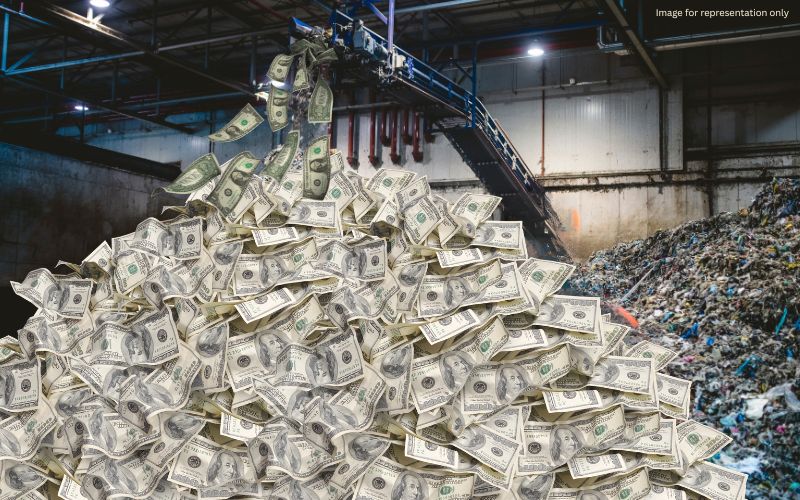
The following ten points break down exactly why choosing reengineered plastic makes flawless operational, financial and environmental sense for the modern enterprise.
1. Tailored Performance Characteristics: Standard recycling often degrades material properties, but reengineering involves molecular restructuring and advanced compounding. Businesses do not just get “old plastic”; they get material optimized with specific tensile strength, impact resistance, and thermal stability tailored precisely to their product’s engineering requirements.
2. Upcycled Quality, Not Downcycled Waste: The term “recycled” carries a stigma of inferior quality. “Reengineered” accurately describes the technical process of using advanced additives, reinforcing agents (like glass fibers), and stabilizers to restore or even exceed the performance benchmarks of virgin plastic polymers.
3. Hedging Against Volatility in Virgin Polymer Markets: Virgin plastic prices are intrinsically linked to the volatile petrochemical and crude oil markets. Reengineered plastic relies on regional, circular supply chains, providing businesses with far greater price stability, predictable cost structures, and protection against geopolitical supply shocks.
4. Significant Carbon Footprint Reduction: Using reengineered plastic drastically lowers a company’s Scope 3 emissions (indirect emissions within the value chain). Producing reengineered polymers typically consumes up to 70% less energy than synthesizing virgin resins from fossil fuels, giving businesses a quantifiable metric to showcase to eco-conscious stakeholders.
5. Future-Proofing Against Regulatory Penalties: Governments worldwide are rapidly introducing plastic taxes, extended producer responsibility (EPR) mandates, and minimum recycled-content laws. Buying reengineered plastic ensures immediate compliance with these tightening environmental regulations, saving businesses from hefty non-compliance fines.
6. Seamless Integration into Existing Infrastructure: High-quality reengineered plastics are designed to match the melt flow index (MFI) and processing windows of virgin resins. This means manufacturing teams can run them on existing injection moulding or extrusion machinery without requiring expensive re-tooling or slowing down cycle times.
7. Unleashing Premium “Green” Pricing Power: Consumers and corporate buyers are willing to pay a premium for sustainably sourced products. By framing the raw material as “reengineered”, a business can elevate its product positioning from a commodity to an eco-innovative solution, capturing higher profit margins.
8. Enhancing Circularity and Brand Equity: Transitioning to reengineered plastic allows a business to authentically claim a closed-loop or circular economy design. This drastically boosts brand equity, improves ESG (Environmental, Social, and Governance) ratings, and makes the company highly attractive to modern impact investors.
9. Stringent Quality Control and Batch Consistency: Unlike crude recycling, reengineering involves rigorous testing, palletisation, and quality assurance protocols. Businesses receive certificates of analysis (CoA) with each batch, ensuring the material behaviour is consistent, predictable, and free of contaminants across high-volume production runs.
10. True Material Innovation and R&D Support: When a business partners with a reengineered plastic supplier, they are engaging with materials scientists. This opens the door to co-developing custom proprietary blends—such as integrating flame retardants or UV stabilizers—turning a simple raw material purchase into a strategic R&D advantage.
The Bottom Line: Virgin plastic is a volatile liability; recycled plastic is an unpredictable compromise. Reengineered plastic is an asset that delivers technical precision, cost stability, and regulatory immunity.
