

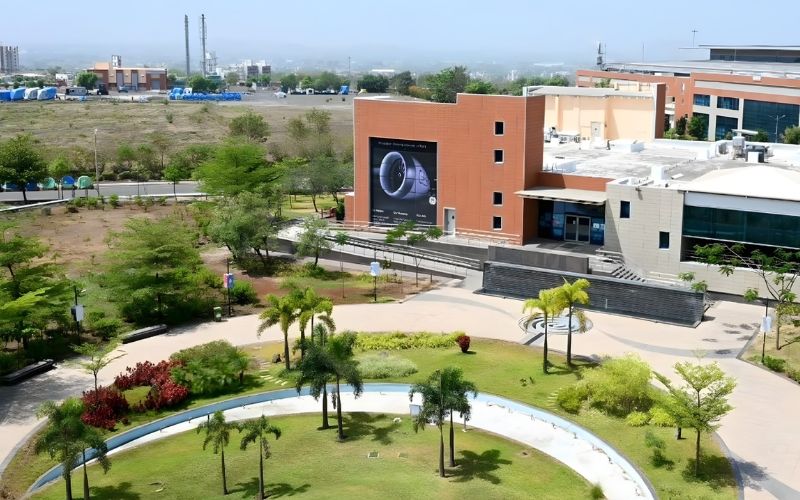
“India’s commercial aviation growth is one of the fastest in the world, and today’s report shows that our commitment here goes far beyond selling engines. It’s in the components machined in Pune, the innovation in Bengaluru, and our trusted customers, who are building the next generation of India’s aerospace industry. As India works towards its Viksit Bharat ambitions, doubling our spend to grow the supply chain ecosystem will help meet the growing demand.” Vikram Rai, CEO, South Asia, GE Aerospace
GE Aerospace (NYSE:GE) has announced plans to nearly double supplier spend in-country from 2025 to 2030 to help meet India’s growing demand for flight and leadership in the aviation industry. The announcement coincided with the release of a new report compiled by Ernst & Young (EY), Powering Progress: GE Aerospace’s Economic Impact in India, the first comprehensive assessment of the impact GE Aerospace’s four decades in India have had across commercial aviation, defence, manufacturing, and engineering. The report was released at “India Taking Flight – Aviation, Innovation and the Road to Viksit Bharat 2047”, a gathering of industry leaders hosted by GE Aerospace.
India’s domestic commercial airlines generated approximately US$ $19 billion in revenue in FY26, reflecting the strength of the country’s rapidly expanding aviation sector. Through advanced engine technology and high levels of reliability and operational performance, GE Aerospace helps enable the connectivity and efficiency that support an aviation ecosystem sustaining an estimated 370,000 direct jobs.
According to the report, commercial engines made by GE Aerospace and its partners* power the majority of commercial airline operations in India with a fleet of more than 1,400 engines, as of December 2025. Those engines have helped Indian carriers post the world’s highest passenger load factor at 88.2% and aircraft utilization rates of 12 to 14 hours per day, well above global figures.
“India’s commercial aviation growth is one of the fastest in the world, and today’s report shows that our commitment here goes far beyond selling engines,” said Vikram Rai, CEO, South Asia, GE Aerospace. “It’s in the components machined in Pune, the innovation in Bengaluru, and our trusted customers, who are building the next generation of India’s aerospace industry. As India works towards its Viksit Bharat ambitions, doubling our spend to grow the supply chain ecosystem will help meet the growing demand.”
